
The current scenario of Underwater Radiated Noise Management in India and the World
Barnik Goswami
Research intern at MRC
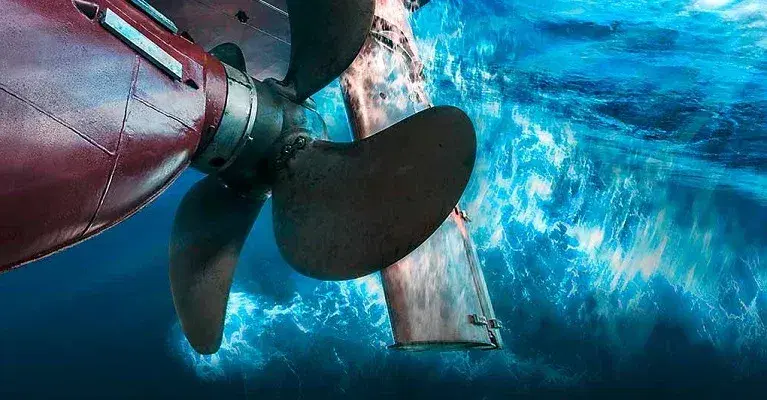
The release of dangerous chemical, biological, or physical substances into the world’s seas is not the only source of ocean pollution but it also includes an increase in underwater noise caused by a variety of human factors. The concept of underwater radiated noise first emerged during the Cold War, when its reduction had a strictly militaristic application, to ensure acoustic stealth of submarines. In the current scenario, however, Underwater Radiated Noise (URN) is a growing cause of environmental and socio-economic concern. However, unlike the other forms of ‘material’ pollutants, noise is a form of energy hence it is quickly dissipated and thus has to be quantified at the source. Another issue with imposing limits on the amount of emitted noise is that for the same intensity of noise severity may vary depending on the time and location. As a result, there is a lack of research and regulation when it comes to noise pollution in comparison of air or water pollution.
Shipping is the primary cause of underwater radiated noise. Global sea-borne trade has increased at a rate of 2.5% and 1.4% in the short and long term respectively. As a result, the underwater noise levels in some of the world’s oceans have nearly doubled every decade over the past 60 years and this is directly proportional to the Gross Domestic Product (GDP) of these nations.
Full Article Content
Sign in to read the complete article.
Barnik Goswami
Research intern at MRC
Barnik has interned with the Maritime Research Centre, Pune. He is completing his MBA from IIT Roorkee.