
Biofouling in the Indo-Pacific: A Menace to Shipping

Romit Rajendra Kaware
Research Fellow at MRC

Key Highlights
- The Indian Ocean region is biodiverse, and its unique oceanic characteristics pose a significant challenge of biofouling for vessels.
- Baseline studies are required for a holistic understanding of biofouling species, and appropriate antifouling measures should be adopted.
- The oceanic conditions significantly affect the efficient operations of acoustic sensors and require modifications to the vessel’s systems.
- UDA must be understood to develop systems catering to the regional conditions.
Ocean shipping constitutes approximately 90% of global trade, with the Indian Ocean Region (IOR) serving as a vital maritime trade hub for centuries. It is the busiest trade corridor, facilitating around four-fifths of the world’s oil and gas shipments and one-third of bulk cargoes, ensuring global access to essential resources such as food, precious metals, and energy. The IOR holds strategic significance, drawing attention from major global powers. Sustaining many cargo ships becomes imperative due to the challenging climatic, biological, and chemical conditions at sea. In tropical environments, biofouling poses a significant challenge for commercial ships, boats, and recreational yachts. Naval vessels, including destroyers, aircraft carriers, and frigates, are particularly susceptible to biofouling due to their unique characteristics—they operate at high speeds but spend a substantial amount of time at anchor. Biofouling is defined as the undesirable biological growth on the exposed underwater surfaces of these vessels. The elevated temperatures and abundant nutrients in tropical waters foster the development of marine organisms.
Full Article Content
Sign in to read the complete article.
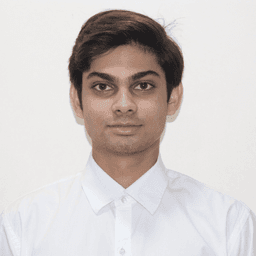
Romit Rajendra Kaware
Research Fellow at MRC
Romit Rajendra Kaware is a recent graduate from the Indian Institute of Technology Delhi, holding a Bachelor’s degree in Civil Engineering. Currently, he is serving as a Research Fellow at MRC. His primary focus is on scientific research in structures and materials, as it enhances his comprehension of the methodologies employed in constructing resilient infrastructure. Romit is deeply enthusiastic about applying his expertise in civil engineering to the maritime sector to foster sustainable development for our ecological resources.