
Water Resource Management & Acoustic Capacity & Capability Building – A New Perspective based on the Underwater Domain Awareness (UDA) Framework

Dr. (Cdr.) Arnab Das
Founder and Director, MRC, Pune

India and Pakistan signed a water-sharing agreement in 1960 to peacefully share the waters of the Indus Basin. The uncertain water-sharing scenario between the two countries that had existed since the 1947 partition came to an end with this agreement. Of the several transboundary water g the parties. India was granted the right to “non-consumptive” usage under the Indus Waters Treaty, but Pakistan “has virtually prevented India from exploiting the non-consumptive uses, hydropower in particular, effectively.”
By hindering economic growth, the IWT has increased the domestic dispute over Kashmir. Kashmiris have grievances against the pact since it forbids India from using the western rivers for cultivation, hydroelectric generation, or navigation. There may be room for India and Pakistan to lessen their reliance on Indus waters if possible changes in the economic structure of the basin take place, such as a widespread move away from water-intensive agriculture. Power deficits: In Pakistan and north-western India, intensive urban economic expansion has resulted in electricity shortfalls (manifested as “load shedding,” or planned blackouts), which is likely to increase friction over water.
Full Article Content
Sign in to read the complete article.
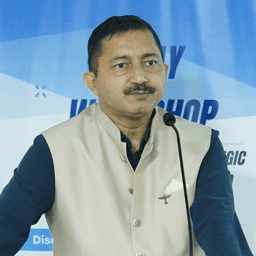
Dr. (Cdr.) Arnab Das
Founder and Director, MRC, Pune
Dr (Cdr) Arnab Das, Director and Founder of MRC, Pune. Dr Das is a former Naval officer with 2 decades of active services and PhD holder from IIT Delhi with specialization in Underwater Acoustics. He has worked on several projects and has a plethora of publications to his credit.