
Dredging under Sustainable Blue Economy
Rishika Khanna
Research Fellow at MRC
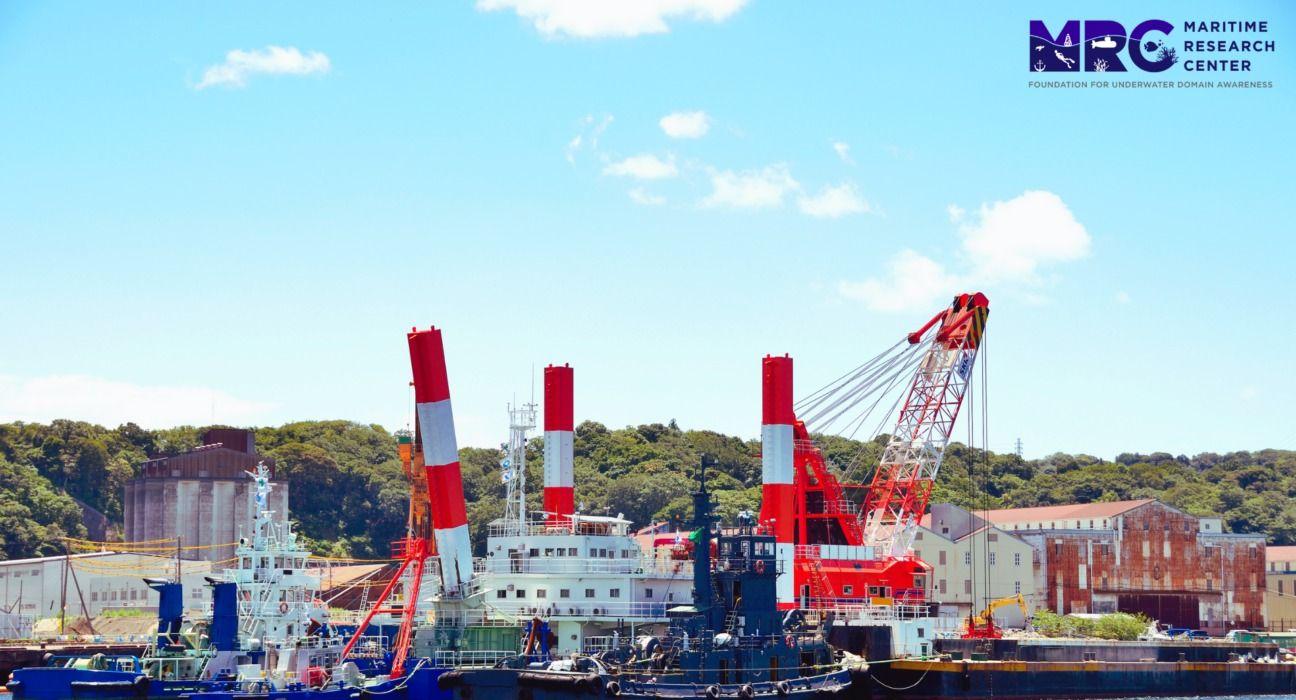
Key Highlights
- The demand for dredging is exponentially increasing and it has substantial upcoming opportunities in the areas of offshore resource exploration, waterfront development, fishing harbour and navy apart from traditional requirements in port and waterways management.
- As dredging gains importance, its downsides also come into highlight making it imperative to consider sustainable dredging
Dredging is the most popular method of removing the unwanted deposits from water pathway and is used for maintenance of ports, harbour and national waterways. It has a key importance in expansion of ports and regularization of marine traffic. It creates space for construction of bridges, dams and is also used for extracting intoxicants and pollutants from the bottom of water. The demand for dredging is ever increasing and it has opportunities in offshore resource exploration, fishing harbour, waterfront development as well as meeting the needs of the navy.
"According to the report by Indian Ministry of Ports, Shipping, and Waterways in “Dredging Guidelines for Major Ports, 2021”, during 2017-18 and 2018-19, a total of about 159.36 million cum of material was dredged from across all the major ports of the country. It is forecasted that in next 10 years the net quantity to be dredged will be close to 3 billion cum owing to the substantial project pipeline. "
Full Article Content
Sign in to read the complete article.
Rishika Khanna
Research Fellow at MRC
Rishika Khanna is a Research Fellow at MRC. Her research project at MRC revolves around Sediment Management in tropical waters with focus on Sediment Transport Systems. She is a final year B. tech student in Mechanical Engineering at IIT Delhi and had also been associated with MRC earlier as an intern. She joined MRC to expand her research domain and apply her learnings for the development of UDA.