
Developing a Comprehensive Handbook for Marine Spatial Planning in Tropical Waters

J. Cathrine
Publication and Research Head at Maritime Research Centre in Pune

Key Highlights
- MSP faces distinct challenges in tropical regions due to sub-optimal sonar performance caused by higher temperatures and varying salinity levels. This hinders accurate mapping and monitoring, necessitating advanced, customised sonar systems.
- Coastal areas in tropical regions often experience high population densities, leading to intensified pressure on marine resources, including overfishing and pollution, which require robust conservation efforts.
- Tropical waters are particularly vulnerable to climate change impacts such as sea-level rise, ocean acidification, and severe weather events. MSP must incorporate adaptive strategies to enhance coastal resilience and protect vital habitats.
- The urgent need for a specialised handbook on MSP for tropical conditions is emphasised. This handbook will provide tailored solutions and strategies for effectively governing these diverse and vulnerable marine ecosystems.
- Underwater Domain Awareness (UDA) is essential for managing tropical marine environments. It emphasises acoustic capacity building and comprehensive monitoring through advanced technologies.
Marine Spatial Planning (MSP) has emerged as a critical tool for effectively managing marine and coastal resources. With 75% of the Earth’s surface covered by water, sustainable governance of these vast marine spaces is essential for ecological balance, economic prosperity, and societal well-being. However, the unique characteristics of tropical waters necessitate a specialised approach to MSP. This article highlights the urgent need for a comprehensive handbook on MSP that addresses tropical conditions’ specific challenges and opportunities.
Full Article Content
Sign in to read the complete article.
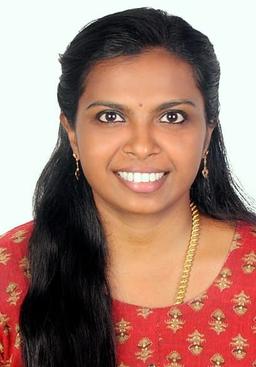
J. Cathrine
Publication and Research Head at Maritime Research Centre in Pune
J Cathrine heads the Publication and Research team at the Maritime Research Centre in Pune. Previously, her work revolved around water management in the Indus Basin. Her research focuses on transboundary water issues, conflict resolution, sustainable water management, and community resilience. She graduated from St. Stephens College in Delhi with a bachelor’s degree in physics. She has also completed Ashoka University’s Young India Fellowship in Liberal Arts. She has completed her Masters in Water Science and Policy from Shiv Nadar University.