
Financing Blue Economy – Outcomes of COP28

J. Cathrine
Publication and Research Head at the Maritime Research Centre, Pune

Key Highlights
- The COP28 panel at the Commonwealth Pavilion showcased global collaboration for sustainable ocean management.
- Sustainable Finance Call: Secretary-General Patricia Scotland emphasized the urgent need for innovative finance for small island developing states (SIDS) and vulnerable coastlines.
- Blue Economy Challenges: Overfishing, pollution, and climate risks were highlighted as challenges facing the blue economy.
- SIDS Focus: Minister Tiwau stressed the unique challenges SIDS face, calling for sustainable and innovative finance solutions.
- Mobilizing Investments: Practical strategies for mobilizing investments in climate adaptation and ocean regeneration were shared.
- Ongoing Commitment: Secretary-General Scotland reiterated the Commonwealth’s commitment, paving the way for further discussions at the Commonwealth Ocean Ministers meeting in Cyprus.
The recent high-level panel discussion convened at the Commonwealth Pavilion during COP28 in Dubai marked a significant stride towards fostering sustainable investment in the ocean. COP28 was the 28th annual United Nations (UN) climate meeting, where governments discussed how to limit and prepare for future climate change. The summit took place in Dubai, in the United Arab Emirates (UAE), from 30 November to 12 December 2023. This collaborative effort, spearheaded by the Commonwealth in partnership with the Ocean Risk and Resilience Action Alliance (ORRAA) and the UNEP Finance Initiative (UNEP FI), brought together key stakeholders and experts to delve into pressing issues and opportunities integral to the advancement of the blue economy. The blue economy is the sustainable use of ocean resources for economic growth, improved livelihoods and jobs, and ocean ecosystem health. It encompasses many activities that impact all of us, such as renewable energy, fisheries, maritime transport, tourism, climate change, and waste management. The urgency of the matter, underscored by the global significance of COP28, highlighted the critical need to address challenges and unlock potential avenues for sustainable growth.
Full Article Content
Sign in to read the complete article.
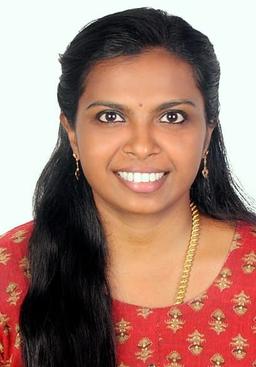
J. Cathrine
Publication and Research Head at the Maritime Research Centre, Pune
J Cathrine serves as the Head of Research and Publications at the Maritime Research Center, bringing a diverse academic background in water science, policy, liberal arts, and physics. Her current research focus extends across the broad field of the blue economy, climate resilience, and water management in the Brahmaputra basin. In her prior research endeavors, she has explored topics such as Indus Basin Water Management, watershed management, groundwater management, and community-led climate resilience. With a multidisciplinary approach, J Cathrine contributes to the advancement of knowledge in critical areas related to water resources, climate, and sustainable development.