
The Ecological Importance of Spatial Mapping in Sustainable Aquaculture Management
Susank Chigilipalli
MRC Intern, IIT Kharagpur
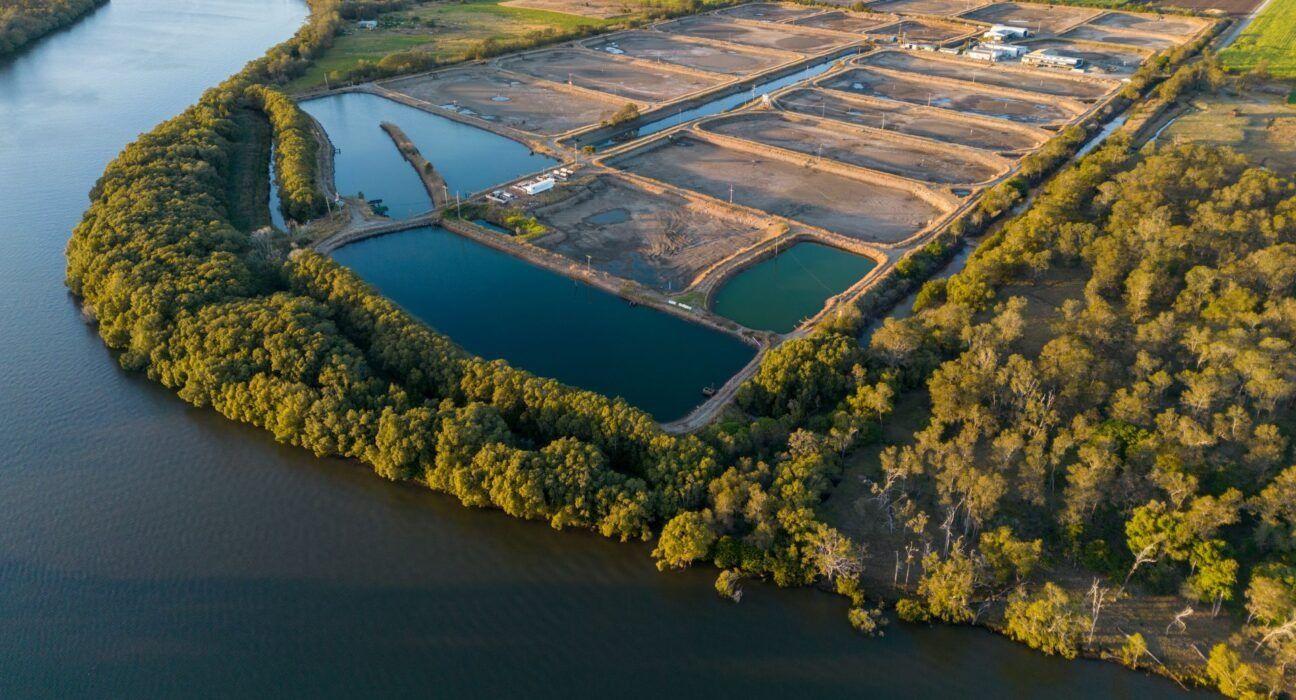
Key Highlights
- Mangroves sequester carbon efficiently and are essential for climate change mitigation. The shift from agriculture to aquaculture causes land and water degradation and disrupts traditional livelihoods.
- Sustainable aquaculture requires addressing significant environmental concerns through practices like IAA and IMTA.
- Accurate spatial mapping and tracking of aquaculture ponds aid in marine spatial planning, assess environmental impacts, and support Sustainable Development Goals (SDGs) by informing effective management and policy decisions.
“Sustainable aquaculture is about more than just producing seafood; it’s about creating a system that works in harmony with our environment.” – Dr. Claude Boyd
Ecological Importance of Mangroves
Mangroves are tropical forests that grow in the intertidal zone of tropical and subtropical shores. They are among the most carbon-rich forests in the tropics and can sequester carbon much faster than other forests. This process can continue for millions of years, making mangroves critical in the fight against climate change. The amount of carbon stored within sediments of individual mangrove ecosystems varies widely, with a global median value of 2.2%.
Full Article Content
Sign in to read the complete article.
Susank Chigilipalli
MRC Intern, IIT Kharagpur
Susank Chigilipalli is an undergraduate student from the Department of Civil Engineering at the Indian Institute of Technology (IIT), Kharagpur. He is skilled in Data Analytics and Computer Vision and interned at the Maritime Research Centre in Pune in the summer of 2024.