
Noise and vibration management for marine vessels
Atharva Nagarkar
Research intern at MRC
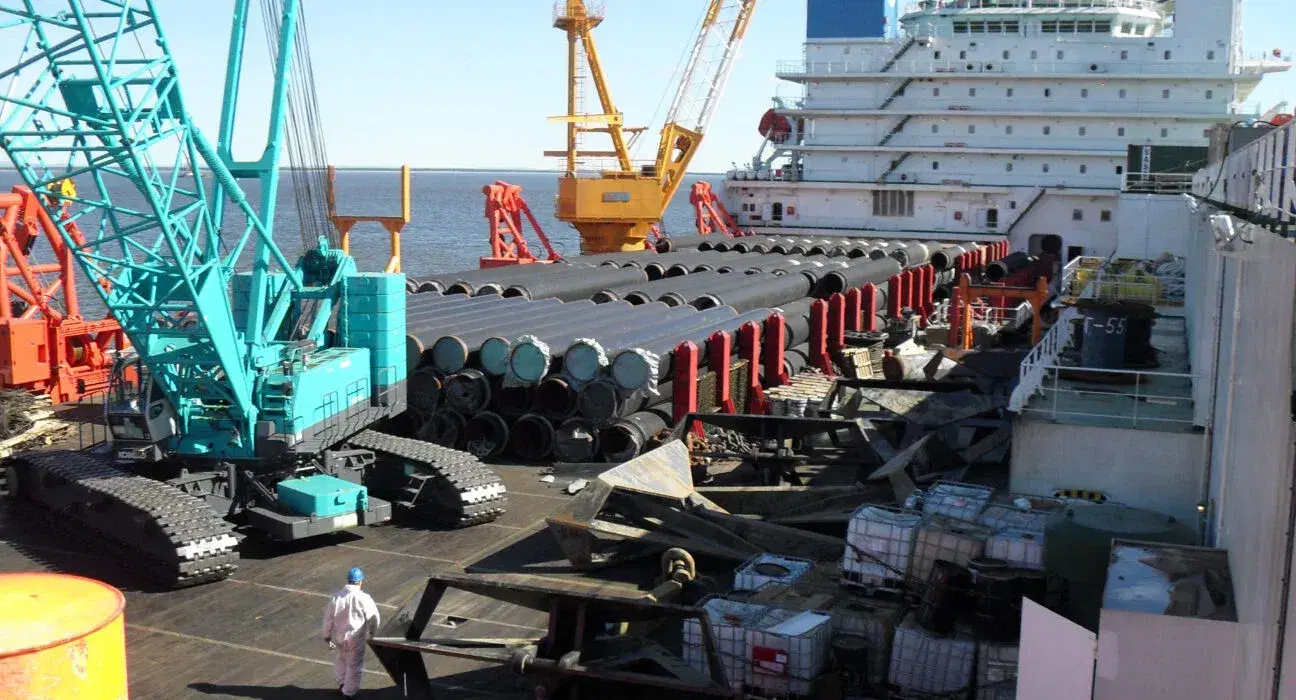
The Noise and Vibration management (N&V) for marine vessel has multiple dimensions, right from the identification of vibration sources, transmission paths through the diverse vessel structure and then the coupling with the water medium as noise transmitted to the environment. Multiple stakeholders have their specific application related requirements and thus it is important to understand these varied requirements to satisfy all parties involved.
Firstly, the human resource on-board marine vessels i.e., the passengers and the crew are significantly affected because of the excessive noise and vibration levels produced by the propulsion and auxiliary machinery. On a global scale, 16% of the disabling hearing loss in adults is attributed to occupational noise of which around 5% is due to the shipping industry. According to official statistics, an estimated $242 million is spent annually on workers’ compensation for hearing loss disability. Thus, it is crucial to maintain a safe work environment to ensure proper safety for all. Secondly, fatigue failure is the formation and propagation of cracks due to a repetitive or cyclic load. Propulsion-induced loads and vibrations are among main causes of fatigue on ships. Higher frequent loads caused by engines and propellers result in forced vibrations with high number of load cycles, are main cause of fatigue.
Full Article Content
Sign in to read the complete article.
Atharva Nagarkar
Research intern at MRC
Atharva is a B.Tech Final Year Mechanical Engineering student at Vishwakarma Institute of Technology (VIT), Pune. He is currently interning with the Maritime Research Centre, Pune.