
Reading Muddy Waters from Space: The Role of Suspended Sediments in Aquatic Monitoring

Aryan Singh
MRC Intern 2026 (Student at IIT Delhi)
Key Highlights
- Suspended Sediment Concentration (SSC) is a key indicator of water quality, influencing water clarity, aquatic ecosystems, and biodiversity.
- Heavy monsoon rainfall and river discharge can significantly increase sediment loads, altering the physical and ecological conditions of reservoirs and other freshwater bodies.
- Excessive suspended sediment can reduce reservoir storage capacity and degrade aquatic habitats, making sediment monitoring important for long-term water-resource management.
- Traditional SSC monitoring relies heavily on field surveys and laboratory analysis, which can be time-consuming and limited in spatial coverage.
- Satellite remote sensing offers a scalable approach to monitor sediment dynamics across large water bodies, supporting more efficient environmental assessment and sustainable reservoir management.
Introduction
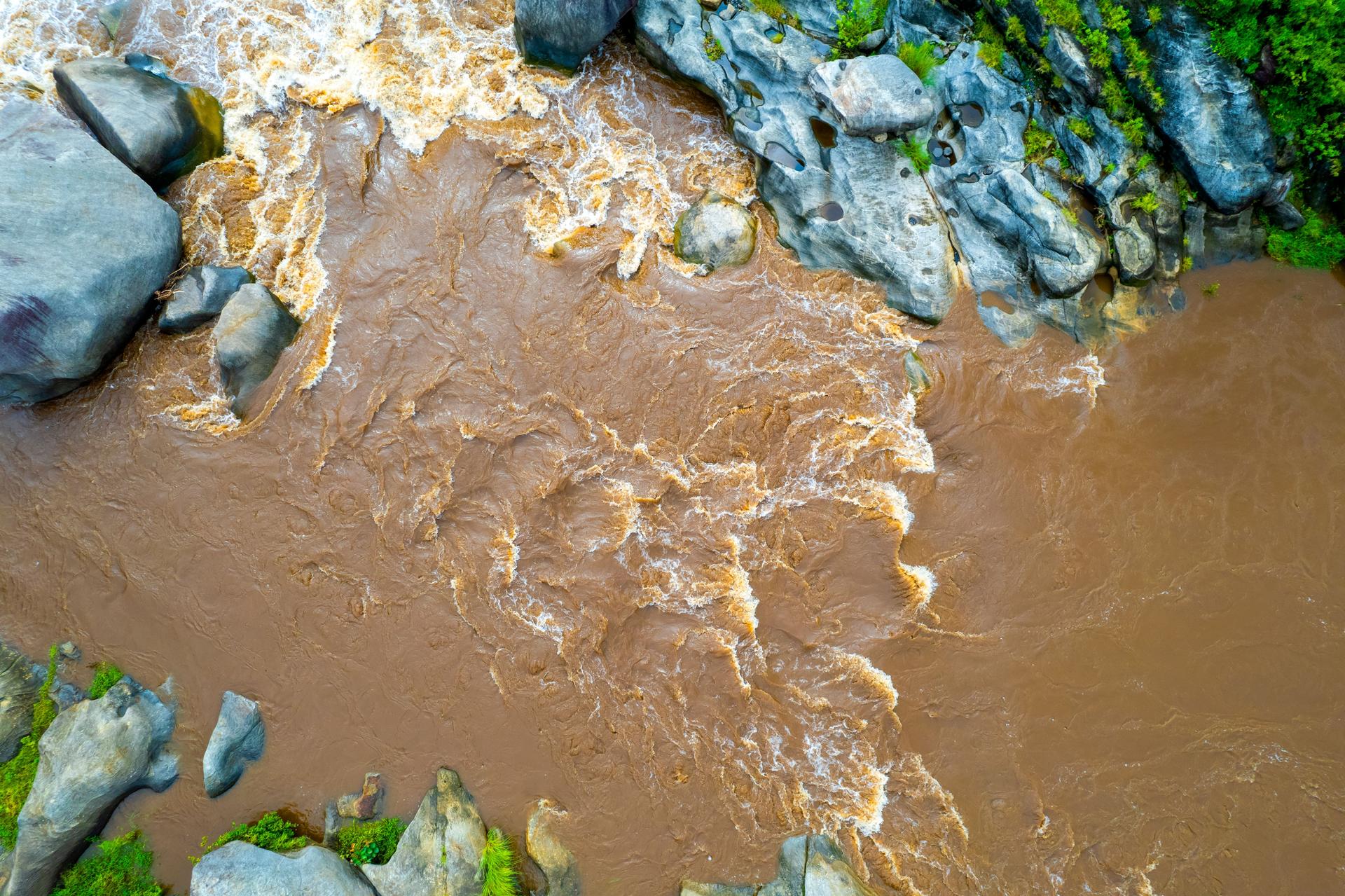
After a heavy monsoon rainfall, a reservoir often transforms from a calm blue water body into a muddy brown expanse. While this change may seem temporary and insignificant, it reflects a complex environmental process occurring beneath the surface. Millions of tiny particles of soil, clay, organic matter, and minerals are carried by rivers and streams into water bodies, altering their physical and ecological characteristics. These particles, collectively known as suspended sediments, play a crucial role in shaping aquatic environments.
Monitoring aquatic ecosystems has become increasingly important as growing populations, climate variability, and land-use changes place greater pressure on freshwater resources. Reservoirs, lakes, and rivers not only provide drinking water and irrigation but also support biodiversity and regional economies. Understanding the factors that influence their health is therefore essential for sustainable management.
Full Article Content
Sign in to read the complete article.

Aryan Singh
MRC Intern 2026 (Student at IIT Delhi)