
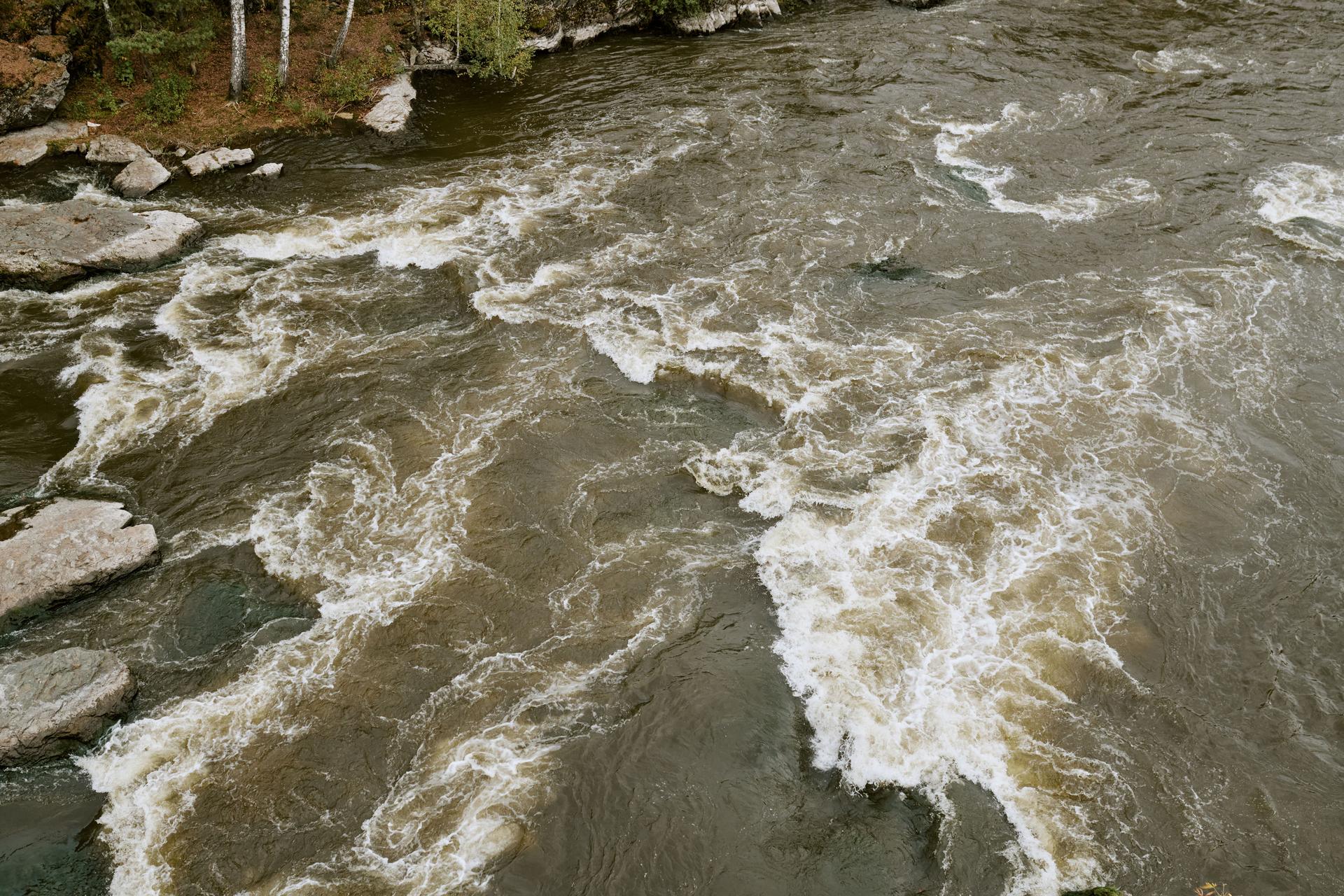
When the River Rises: Life, Loss, and the Quest to Predict Floods in South Asia's Great Deltas
This article explores how flood modelling can help predict the movement and impact of riverine floods across South Asia’s major deltas. Using tools such as LISFLOOD-FP, it highlights how better flood forecasting can support disaster preparedness, coastal resilience, marine ecology, the Blue Economy, and Underwater Domain Awareness (UDA). DOC-20261028-WA0000_261028_0735…
October 28, 2026
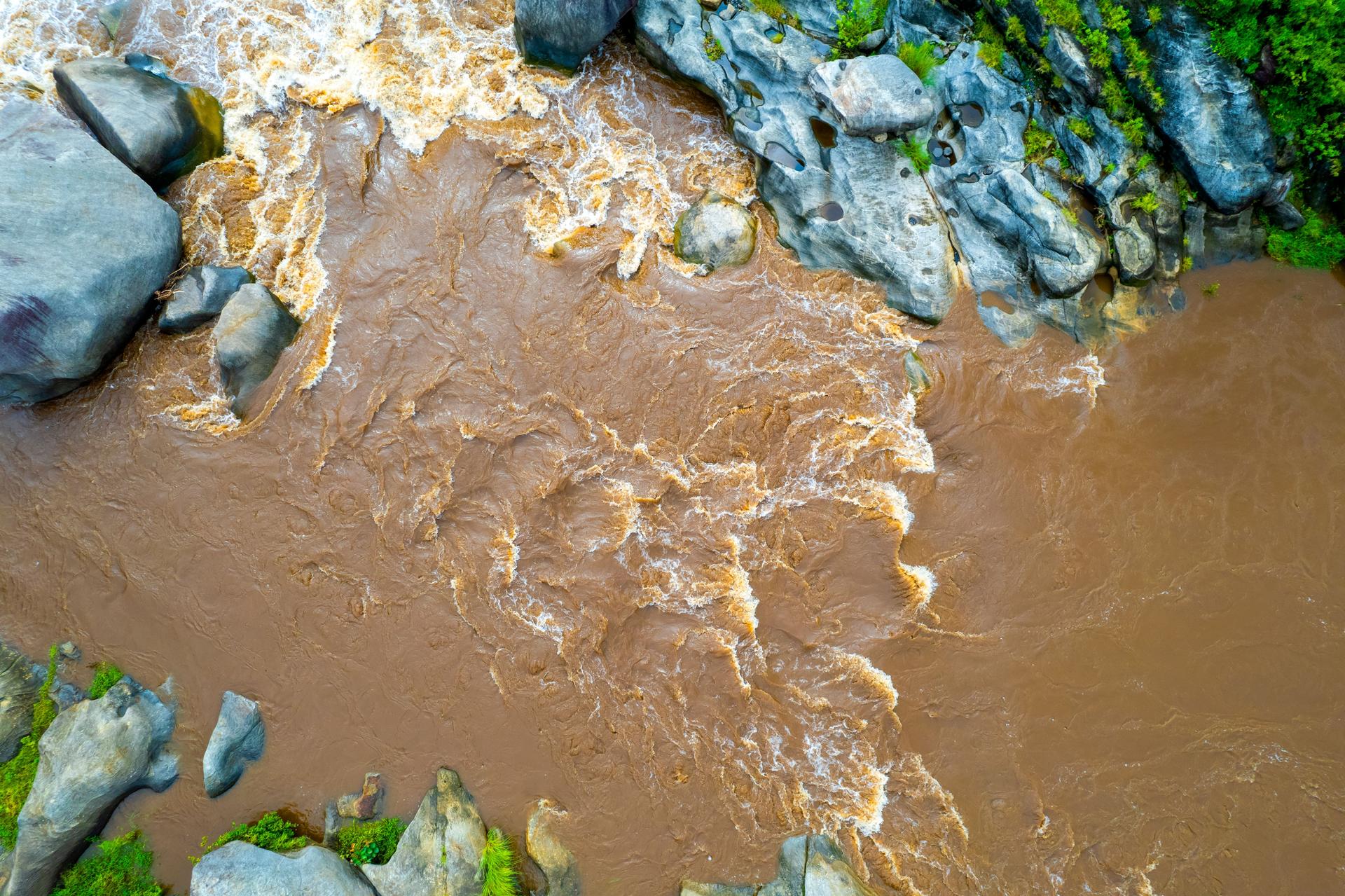
Reading Muddy Waters from Space: The Role of Suspended Sediments in Aquatic Monitoring
This article explores the importance of Suspended Sediment Concentration (SSC) as a key indicator of water quality and aquatic ecosystem health. It examines how sediment carried by rivers and streams can affect reservoir storage, water clarity, biodiversity, and overall ecosystem stability, while highlighting how satellite remote sensing is creating new opportunities to monitor sediment dynamics across large water bodies more efficiently.
October 22, 2026
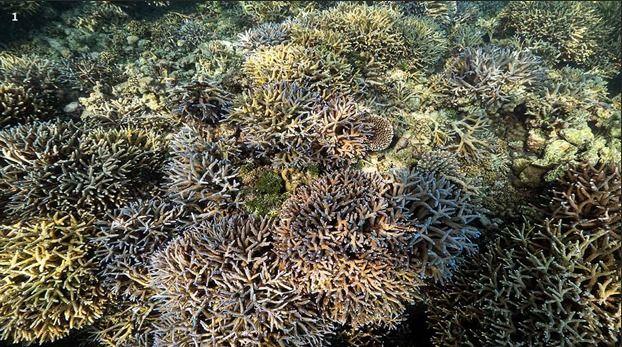
Beneath the Surface: Why India's Coral Reefs Are Flashing a Warning Sign
The article, “Beneath the Surface: Why India’s Coral Reefs Are Flashing a Warning Sign,” examines the growing threat of coral bleaching across India’s major reef systems and the need to move from reactive monitoring to predictive action. It highlights the development of a forecasting approach at MRC that combines ocean heat, cloud cover, and current patterns to identify future bleaching risk, while showing how these insights can strengthen Underwater Domain Awareness (UDA), Marine Spatial Planning, coastal resilience, fisheries, tourism, and long-term reef conservation.
October 8, 2026

The Silent Plunder and the Dawn of a New Maritime Era: Combating IUU Fishing Through Marine Spatial Planning
The article highlights the growing threat of Illegal, Unreported, and Unregulated (IUU) fishing and its impact on marine ecosystems and coastal livelihoods. It explains how Marine Spatial Planning (MSP), AI, and modern monitoring technologies can help combat these activities. The piece positions UDA as a key framework for smarter and more sustainable ocean governance.
April 22, 2026

From Hidden Threats to Smart Oceans: The Battle for Marine Survival
The Indian Ocean Region (IOR) is well known for its ecological diversity and strategic significance. Numerous marine species, many of which are essential to preserving the well-being of aquatic ecosystems, are supported by it. Marine life in the IOR substantially contributes to nutrient cycling, carbon sequestration, and the general resilience of ocean systems, from phytoplankton, which form the base of the food web, to apex predators like sharks and whales, which control species balance. Often called the “blue forests,” coral reefs, mangroves, and seagrass meadows provide ecosystems that protect coastlines, sustain fisheries, and regulate the climate.
March 10, 2026

Hunting the Invisible: How AI and Satellite Radar Are Spotting India’s Dark Ships
The article explains how “dark ships”—vessels that switch off tracking systems—pose a major challenge to maritime security. It highlights how AI combined with satellite-based radar (SAR) is helping detect these hidden vessels. This approach improves surveillance and supports better monitoring of illegal activities at sea.
October 7, 2025

Understanding Local Sediment Transport: Lessons from the Vishwamitri River Erosion
The article explains how local sediment transport plays a crucial role in shaping river behavior and erosion patterns, using the Vishwamitri River as a case study. It highlights how human interventions like dredging, without proper understanding, can disrupt natural sediment balance. This often leads to increased erosion and ecological damage.
September 26, 2025
Editor's Choice

Underwater Domain Awareness (UDA) Framework for River Systems in the North East

Naval History of South Asia and Underwater Domain Awareness

Underwater Domain Awareness – A New Perspective in the Indo Pacific

UDA and Indian Diplomacy for Maritime Cooperation
